Moss Wall Art or Framed Prints: Choosing Green Botanical Wall Decor for a Peaceful Bedroom
When you set out to create a bedroom that feels truly restful, the walls often get the least attention. A coat of soft paint is a start, but the surface that surrounds you as you sleep can do much more. Adding green botanical wall decor brings nature indoors, and the two most popular routes are preserved moss wall art and framed botanical prints. Each changes the room in a different way, and knowing how they compare helps you pick the one that fits your space, your habits, and the kind of calm you want.
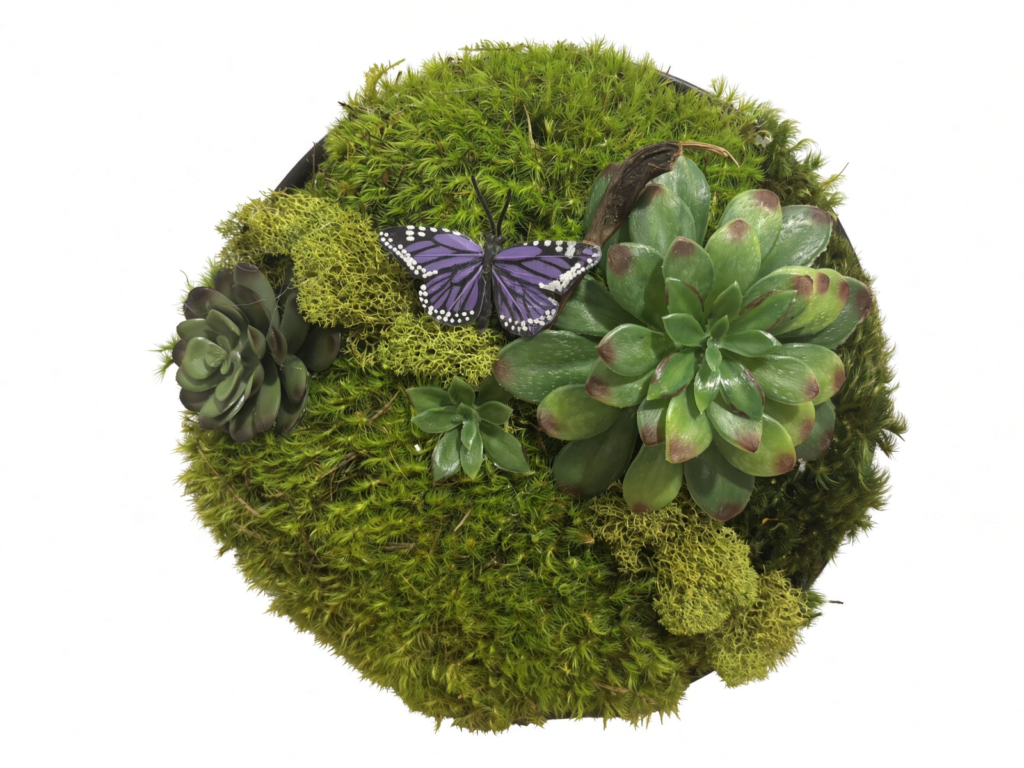
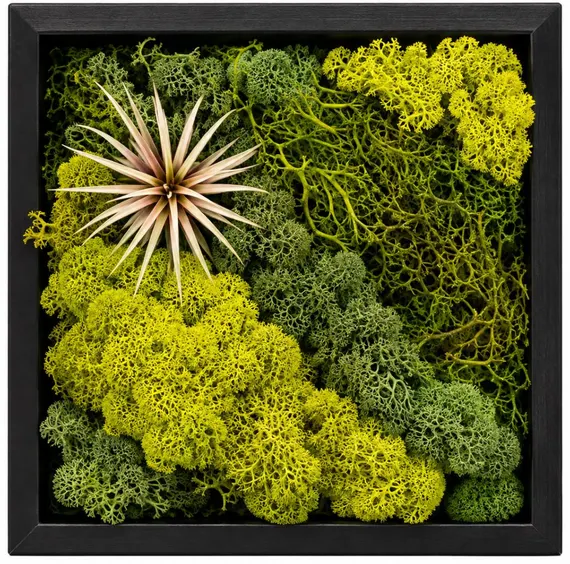
Moss wall art is a three-dimensional panel made from preserved moss. It keeps its colour and texture without water, soil, or sunlight. Framed prints, by contrast, are flat images of leaves, ferns, or abstract greenery printed on paper and set behind glass or acrylic. Both are green, both are botanical, but they behave very differently in a bedroom. The choice comes down to texture versus variety, maintenance versus permanence, and the mood each material creates.
Texture and the sense of calm
One of the strongest arguments for moss wall art is the texture it adds. A preserved moss panel has a soft, pillowy surface that catches light from a bedside lamp or morning sun. That gentle unevenness breaks up flat wall space in a way that paint or a print cannot. The visual effect is closer to a living wall, but without the watering, pruning, or worry about dying. In a bedroom, this texture can reduce the feeling of hard, reflective surfaces. It absorbs a little sound too, which helps dampen the echo in a room with hardwood floors or tall ceilings.
Framed prints offer crisp lines and high detail. A good botanical print can show the vein pattern of a leaf or the subtle colour shift from green to yellow at the tip. The image is controlled exactly by the printer, so you can choose a vintage botanical illustration, a minimalist line drawing, or a lush photographic close-up. But the surface is flat and usually behind glass, which reflects light and can feel cooler to the eye. If your bedroom already has hard surfaces - a glass bedside table, a mirror, a smooth headboard - adding more glass might not soften the room. For someone who wants a quieter, more enveloping atmosphere, moss wall art tends to deliver that tactile softness directly.
Maintenance and longevity
Nobody wants to dust a bedroom wall feature every week, especially right above the bed. Preserved moss requires almost no upkeep. It does not need water, and it will not wilt or change colour for years if kept out of direct sun and away from high humidity. The main thing to avoid is moisture: a steamy bathroom would be a problem, but a bedroom is usually fine. An occasional light dusting with a soft brush or a gentle puff of compressed air keeps it looking fresh. Because the moss is preserved, it stays the same shade of green throughout its life. There is no seasonal change, no browning, no leaf drop.
A framed botanical print, on the other hand, needs very little care as long as the frame is sealed. Dust the glass now and then, keep it out of direct sunlight to prevent the paper from fading, and avoid damp walls that could cause the print to ripple. The print itself will not degrade quickly, but the paper and ink are vulnerable to UV light. Over several years, a print hung in a bright room may lose some of its original colour. If you like to refresh your decor every few years, that is not a problem. If you want a feature that stays the same for a decade, the moss option holds its appearance more reliably.
Weight, installation, and wall type
Moss wall art is heavier than a framed print of the same size. A moss panel two feet by three feet can weigh several kilograms, depending on the backing and the density of the moss. You need a secure fixing, especially if the panel goes above a bed or a headboard. Toggle bolts or heavy-duty wall anchors are often required for plasterboard. Renters who cannot drill large holes may find this a barrier. Some moss panels come with a lightweight mounting system, but the weight is still something to consider.
Framed prints are lighter and easier to hang. A standard picture hook or a nail is usually enough. If you rent, you can fill the small hole when you leave. The lighter weight also makes it easier to rearrange a gallery wall or swap prints seasonally. For someone who likes to change the look of their bedroom twice a year, framed prints offer flexibility that moss, once installed, does not.
Lighting and the way it changes through the day
Light behaves differently on moss and on glass. Moss absorbs light. In a dim bedroom with a single warm lamp, a moss panel looks rich and deep, almost like a patch of forest floor. It does not glare. That makes it a good choice for a room where you read before sleep or where you want the screen of a phone to be the only bright thing. The moss stays in the background, adding depth without demanding attention.
A framed print, especially one behind glass, will reflect whatever light hits it. In a room with morning sun, the reflection can obscure the image until you shift your angle. Some people do not mind that; others find it distracting when they are trying to relax. Non-glare glass or acrylic reduces the problem but does not eliminate it entirely. The print itself, if it has white or light areas, will feel brighter than moss. That can work well in a bedroom that needs a lift, but it may not suit a room designed for deep calm and low stimulation.
Variety and personal expression
Framed prints win on variety. You can find botanical prints in every imaginable style: scientific illustrations from the 1800s, abstract leaf shapes in muted tones, tropical close-ups with vivid colour, black-and-white line drawings, watercolour washes. You can mix frames - black, white, natural wood, gold - and create a gallery wall that tells a story. If your bedroom doubles as a home office or reading nook, a set of framed prints can add interest without overwhelming the space. You can also swap them out when your taste changes.
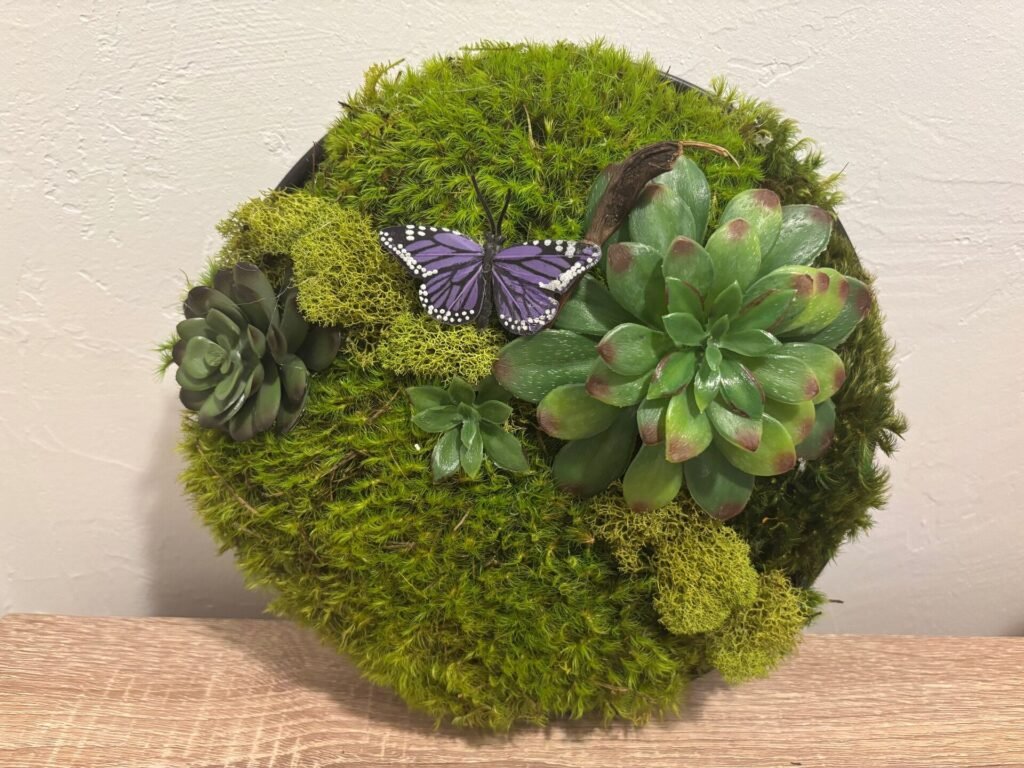
Moss wall art is more limited in its range. The colours are natural greens, sometimes with preserved lichen or dried flowers added for contrast. The shapes are organic, not geometric. You cannot get a moss print of a specific fern species or a custom colour. What you get is the texture and the natural variation of the moss itself. For some people, that is exactly the point: a one-of-a-kind piece that no printer can reproduce. For others, the lack of control feels restrictive.
Budget and room context
A good-quality moss panel costs more than a framed print of the same size. The materials, the preservation process, and the handmade assembly add to the price. For a single statement piece above the bed, the investment can be worth it because the moss becomes a focal point that needs nothing else around it. In a small bedroom, one moss panel can do the work of several prints.
Framed prints are more budget-friendly, especially if you buy open-edition prints and frame them yourself. That makes it easier to cover a larger wall area or to create a layered arrangement. If your bedroom has neutral tones and soft lighting, a cluster of framed botanical prints can create a similar calming effect to moss, though without the texture. The choice often comes down to whether you want the wall to feel like a surface to look at or like a surface to be near.
For those who decide that texture and natural depth matter most, a preserved moss panel from a specialist like mosswallart.design brings a living quality that a print cannot match. The site offers indoor preserved moss wall art that adds natural texture and calming botanical style to interior spaces, which is exactly what a peaceful bedroom benefits from. The moss becomes part of the room's atmosphere, not just a decoration on it.
Making the decision for your space
Think about how you use your bedroom. Is it primarily a sleep space, or does it also serve as a reading nook, a home office, or a place to dress? A bedroom that doubles as a workspace might benefit from the clarity of a framed print, something that feels crisp and intentional. A bedroom used only for rest and winding down may suit the soft, enveloping quality of moss wall art.
Consider the existing textures in the room. If you have a linen headboard, a wool rug, and cotton bedding, a moss panel continues that tactile theme. If your room is modern with smooth furniture and clean lines, a framed print with a minimalist botanical line drawing might fit more naturally. There is no wrong choice, but there is a choice that feels more cohesive.
Negative space matters too. A moss panel works best when it has room to breathe - a single piece on a wall with little else. A framed print can be part of a larger composition, grouped with other prints or hung alone. If you prefer uncluttered walls, moss gives you that calm with a single piece. If you enjoy arranging and rearranging, prints give you that freedom.
Ultimately, green botanical wall decor is about bringing the outside in without bringing in the mess. Moss wall art gives you the texture and permanence of nature. Framed prints give you variety and personal expression. For a peaceful bedroom, the right choice is the one that makes the room feel like a place you want to rest, breathe, and let the day go.